
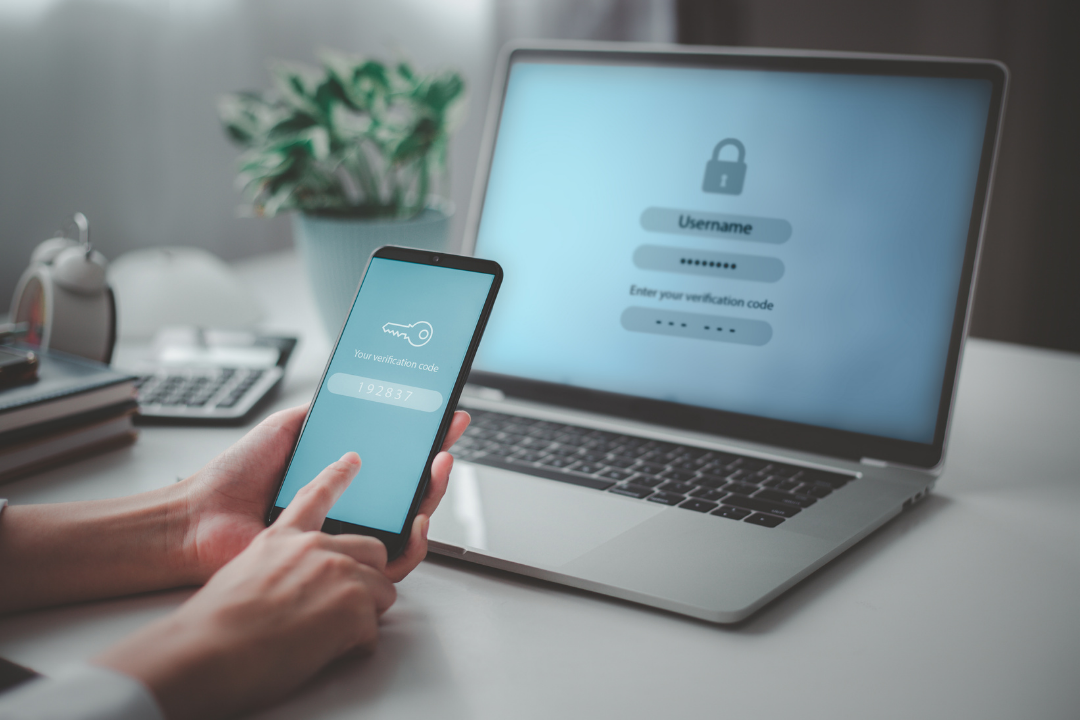
For over a decade, the One-Time Password (OTP) has been the gatekeeper of Filipino digital life. This reliance began around 2010, when banks moved away from face-to-face transactions toward early web portals. The familiar ping of an SMS notification became a psychological safety blanket. Users were conditioned to believe that as long as that six-digit code stayed on their phone, their savings were untouchable. But that comfort was built on a shaky telecommunications foundation that hackers eventually figured out how to break. The era of the SMS OTP is ending because the very tech that introduced us to digital banking is now its biggest weakness.
Moving From Interceptable Texts to Serious Security Frameworks
The digital financial scene in the Philippines is going through a massive, non-negotiable change. A huge part of this is the mandatory phase-out of SMS OTPs. The Bangko Sentral ng Pilipinas (BSP) has set a firm deadline of June 30, 2026, for banks to switch to better, phishing-resistant ways to verify users. This is all part of Section 6 of Republic Act Number 12010, known as the “Anti-Financial Account Scamming Act” or simply AFASA, which requires banks to protect accounts with real risk management systems like Multi-Factor Authentication and Fraud Management Systems. From a cybersecurity perspective, it is worth looking at why we are ditching the old tech and what is coming next.
The AFASA was created to stop digital fraud that moves fast, hits everyone, and lets criminals stay anonymous. The State realized that as we use more digital services, we need better protection against syndicates targeting our accounts. Section 6 of the law specifically tells banks to ensure account access is guarded by controls that actually fit the size and complexity of their operations.
Why SMS OTPs are Basically Broken Now
The choice to move away from SMS is based on the fact that mobile networks were not built for secure data. The BSP now calls SMS OTPs obsolete and not good enough for high-value transactions. These messages travel in plain text, which means they are easy for someone else to grab along the way.
Criminals use a few common tricks to bypass SMS security. One big one is SIM Swapping, where a hacker pretends to be the victim to trick a telco into moving the victim’s number to a new SIM card. If they pull it off, they get all the victim’s OTPs sent straight to their own device.
Another weakness is text hijacking. Sophisticated hackers can exploit old network protocols to intercept or reroute SMS traffic across international lines. Plus, there is the human element: social engineering and phishing trick people into just giving away their passwords and OTPs. We have to get rid of interceptable codes to protect the public.
The Good News and Strategic Upside
Looking at this expertly, the switch from SMS OTPs to advanced methods is a huge win for the financial ecosystem. The best part is “end-to-end cryptographic integrity.” Unlike SMS, which relies on a third-party telco, in-app authentication keeps the whole security process inside the bank’s encrypted app. This closes the biggest door that hackers have been using.
Also, using biometrics and behavioral analytics makes security personal. While a code can be stolen, your biological signature and the way you use your phone are unique. This moves the industry from reacting to attacks to predicting them. The system can flag an intruder not just because they got a password wrong, but because the way they are swiping on the screen does not match the actual owner. This is the only way to beat automated bots and AI-driven scams.
Finally, this will actually be easier for users in the long run. Setting up biometrics takes a minute, but it is much faster than waiting for a cell signal to get a text. For international audiences, this shows that the Philippines is following global “gold standards” like FIDO2 for secure online identity.
The Risks and Potential Downsides
On the other side of the equation, even though this is better for security, ditching SMS OTPs has its challenges. The biggest one is the digital divide. Advanced methods like facial recognition or behavioral monitoring need modern smartphones with specific sensors. A lot of people still use older phones that just can’t run these apps. We risk leaving behind the people who need security the most.
There is also the headache for the banks. Building a Fraud Management System that can analyze behavior and location in real-time costs a fortune and needs specialized talent. Smaller banks might really struggle to hit that 2026 deadline. There is also the “false positive” problem, where a real user gets locked out because their face looks a little different or they are using their phone in a new way.
Lastly, keeping biometric data in one place makes it a massive target for hackers. If a database of fingerprints gets leaked, you can’t exactly “change” your finger like you would a password. This means banks need even better data protection to make sure the replacement for the OTP does not become a bigger problem than the original.
What is Replacing the OTP?
The new setup uses Multi-Factor Authentication or MFA, which the law defines as needing two or more factors to get into an account. Under the new rules, institutions handling complex products must use strong methods to keep transactions legit.
One main replacement is in-app authentication and secure push notifications. These stay inside the bank’s secure app. When you start a transaction, the app asks for approval in that safe environment, so the code is never out in the open on the mobile network.
Biometrics add another layer. Physical biometrics are things like fingerprints and facial or voice recognition. Behavioral biometrics go further, watching how you type or move your mouse. This can be part of a continuous check to flag anything weird.
Silent authentication is another cool one that verifies your number through the network without you doing anything. It often goes with “device fingerprinting,” which collects data about your specific phone to track it. To keep this accurate, banks will block apps from running on “rooted” or “jailbroken” phones.
The industry is also moving toward “passwordless” logins using cryptographic keys and FIDO standards. These get rid of passwords entirely, using hardware keys or biometrics instead. This stops social engineering because there is no password for a scammer to ask for.
The Accountability of Banks
These new security steps are backed by Fraud Management Systems or FMS. An FMS is a set of automated systems that monitor and block suspicious transactions in real-time. Banks with a lot of online traffic must have an FMS that can spot new fraud schemes as they happen.
An FMS has to follow a few key rules. Velocity checks watch how fast money moves to spot bot-like activity. The system also watches for changes to your profile, like a new email or phone number, which could mean someone took over your account. Geolocation monitoring tracks where a transaction starts to catch anything coming from an unexpected place.
Blacklist screening checks transactions against known bad merchants or IP addresses. Behavioral anomaly detection looks for anything that doesn’t fit your usual spending habits. If the FMS flags something, the bank can legally hold the funds and start a coordinated verification process.
The Legal Safety Net
AFASA gives authorities the power to recover stolen funds through a “coordinated verification process”. Section 8 says that if there is a complaint or an FMS flag, everyone involved has to help verify the transaction, even if the money has already left the bank. Crucially, bank secrecy and data privacy laws do not apply during this specific check.
The rules for this have to be fast and streamlined, with clear time logs. Banks have to notify the people involved if their accounts are being checked. They can hold disputed funds for up to 30 days—starting with a 5-day initial hold and extending it for another 25 days if needed.
The End of the “Ping” Risk
What if the law finally treated your bank account like a high-security vault instead of an open mailbox? This is the core shift under the Anti-Financial Account Scamming Act or AFASA. One of the biggest “what ifs” involves the consequences of a bank lagging behind on security. What if your bank fails to set up these new biometric systems and you lose money to a hacker? Under Section 16, the bank has “skin in the game” because they are now legally liable to pay you back if they did not exercise the highest degree of diligence in protecting your account. You no longer have to wait for a criminal conviction to get your restitution.
What if you could take control of your own security during a crisis? The law now requires “self-service” tools like a “kill switch” that lets you block your account immediately if you think you have been hacked. There is also a “money lock” feature so you can set aside a portion of your balance that cannot be touched online until you unlock it with strong authentication. But what if a scammer thinks they can hide behind bank secrecy laws to move stolen cash? The BSP now has the power to act as a digital super-detective. During an investigation, traditional bank secrecy and data privacy laws do not apply. The BSP can dive into any suspicious account, apply for cybercrime warrants, and even order telcos to preserve data related to a crime. Anyone who gets in the way of these investigations faces serious criminal charges.
Finally, what if we just ditched those easy-to-grab text codes entirely? The phase-out of SMS OTPs by June 2026 is a huge milestone. It marks the end of relying on interceptable texts and moves us to a system built on encryption and biometrics. Banks have to realize this is not an option but a legal requirement to keep the whole financial system stable.
The Shared Responsibility
With everything that has been discussed, we cannot deny that theoretically, the changes under AFASA seem perfect. But let us not forget that security is a two-way street. Banks have to follow the rules and keep their systems up to date. They also have to teach their customers about cyber hygiene. On the other hand, it is equally indispensable that account owners should use the security features their banks offer, like transaction limits and real-time alerts. You should also never give out your password, PIN, or OTP to anyone.
The law also requires self-service tools like a kill switch so you can block your account immediately if you think it’s been hacked. There is also a money lock feature so you can set aside a portion of your balance that can’t be touched online until you unlock it with strong authentication.
The BSP’s Role in Policing the System
The BSP has a lot of power under AFASA. They can investigate accounts suspected of being part of a scam, and bank secrecy laws won’t stop them. They can also apply for cybercrime warrants and order telcos to preserve data related to a crime.
Information the BSP gathers can be shared with law enforcement to prosecute cases. Anyone who gets in the way of a BSP investigation faces criminal charges. The BSP is also the one that writes all the specific rules to make the Act work.
Phasing out SMS OTPs by June 2026 is a huge milestone. It marks the end of relying on easy-to-grab texts and moves us to a system built on encryption and biometrics. Banks have to realize this is not an option. It is a hard legal requirement to keep the whole financial system stable.
Did you share your OTP? Contact us immediately for emergency guidance to protect your accounts or to initiate a fraud transaction recovery plan.
Disclaimer: The content of this blog is intended for general informational and educational purposes only and does not constitute legal advice. Laws and regulations may vary by jurisdiction, and the applicability of the information herein may differ depending on specific facts and circumstances. Accessing or reading this content does not create an attorney–client relationship. For legal concerns or tailored guidance, please consult a qualified lawyer licensed in your jurisdiction.
Whether you are based in the Philippines or overseas, STLAF offers legal services to both local and international clients. Our team is equipped to assist with cross-border matters, provide jurisdiction-specific guidance, and help you navigate complex legal challenges with confidence.
To read more STLAF legal tidbits, visit https://stlaf.global/bits-of-law.
For comments, suggestions, and inquiries, email legal@sadsadtamesislaw.com.
Author/s: Atty. Carlo Artemus V. Diaz
About the author(s):
Atty. Diaz is an accomplished lawyer with a strong background in asset recovery and fraud prosecution. He obtained his law degree from the University of Santo Tomas and has accumulated approximately nine years of experience in the legal field. In 2023, Atty. Diaz was chosen as one of the finalists for the “Young Lawyer of the Year Award” of the 2023 Philippine Law Awards, hosted by the Asian Legal Business and Thomson Reuters.

Focusing primarily in fraud protection and asset recovery, Atty. Diaz has successfully assisted banks, financial institutions, corporations, business, and individuals in vindicating their claims related to asset recovery and fraud.