
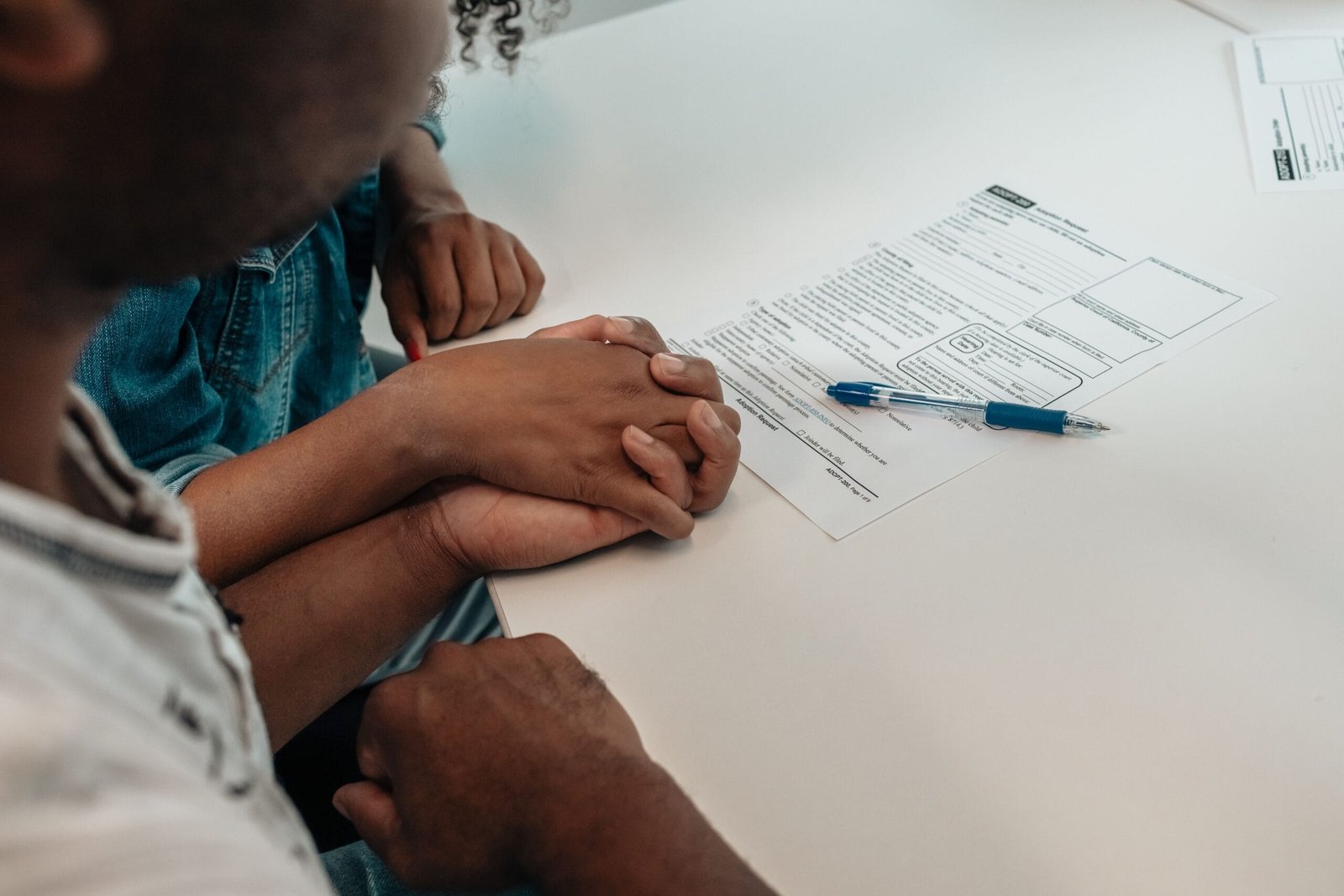
Adopting a child is an exciting and meaningful step, but the legal process can sometimes feel overwhelming. There are documents to prepare, requirements to comply with, government offices to coordinate with, and procedures to follow. With so many things to keep track of, it is understandable if prospective adoptive parents are unsure about where to start.
The good news is that you do not have to figure everything out on your own.
Under Republic Act No. 11642, or the Domestic Administrative Adoption and Alternative Child Care Act, domestic adoption is now primarily handled through an administrative process under the National Authority for Child Care (NACC) and its Regional Alternative Child Care Offices (RACCOs).
Having a lawyer can make the legal and documentary side of the process easier to understand and manage.
Here are some ways a lawyer can help.
Helping You Prepare the Right Documents
One of the first things that can make an adoption application feel overwhelming is the paperwork.
Depending on the circumstances of the case, prospective adoptive parents may need to submit documents such as birth certificates, marriage records or proof of civil status, clearances, medical and psychological evaluations, financial documents, character references, and other supporting documents.
And it is not always as simple as checking items off a list.
Some cases may require additional documents depending on the circumstances of the child and the prospective adoptive parents. NACC’s published requirements also recognize that additional documents may be requested when necessary.
A lawyer can help you understand which requirements apply to your particular situation, organize the documents, and identify anything that may need clarification before the application is filed.
This can be especially helpful when there are discrepancies in names, dates, civil records, or other documents.
Reviewing Your Documents for Compliance
Having all the documents does not necessarily mean that everything is ready for submission.
For example, you may have several government-issued records containing slightly different spellings of a name, an old document that needs to be updated, or a required consent that has not been properly executed.
These may seem like small details, but addressing them early can save you from having to go back and forth later.
A lawyer can review the documents as a whole and check whether they are consistent with one another and with the legal requirements applicable to your case.
More importantly, a lawyer can help identify potential legal issues before they become bigger problems.
Helping You Navigate NACC and RACCO Procedures
Adoption involves more than simply submitting a set of documents.
Under the current administrative adoption process, prospective adoptive parents may go through various stages, including assessment, the Pre-Adoption Forum, preparation and filing of the Petition for Adoption, and a Mandatory Appearance, among other steps.
There are also different government offices and professionals involved in the process, including the NACC, RACCO, and adoption social workers.
It can be difficult to know who to approach when you have a question about a particular requirement or document.
A lawyer can help you understand the legal and procedural aspects of the process and assist in coordinating on matters that require legal clarification.
This does not mean that the lawyer replaces the adoption social worker or the NACC/RACCO. Each has a different role in the adoption process. Instead, your lawyer can work alongside them while focusing on your legal concerns and requirements.
Helping Avoid Unnecessary Delays
Adoption is not a process that can or should be rushed. The NACC and other relevant professionals need to make sure that the legal requirements are satisfied and, most importantly, that the adoption is in the child’s best interests.
However, there is a difference between necessary processing time and delays caused by avoidable mistakes.
Missing documents, inconsistent information, incomplete requirements, or failure to respond to a request for additional documents can result in additional steps or further processing.
Having a lawyer review your documents and help you keep track of requirements can reduce the chances of these avoidable issues.
Of course, hiring a lawyer does not guarantee faster approval. Government processing times and assessments are still outside a lawyer’s control. The goal is simply to make sure that you are as prepared as possible and that preventable legal or documentary problems do not add unnecessary complications.
Giving You Someone to Turn to When You Have Questions
Adoption can come with a lot of questions.
“Is this document enough?”
“Do we need the biological parent’s consent in this situation?”
“What happens if there is a discrepancy in the birth certificate?”
“What happens after we file the petition?”
“What do we do if NACC asks for another document?”
Sometimes, knowing that you have someone who can explain what is happening can make the process feel much less overwhelming.
A lawyer can help explain the legal significance of documents, notices, and procedural requirements in terms that are easier to understand. They can also help you prepare for the different stages of the process so that you know what to expect.
When Should You Consider Getting a Lawyer?
You may want to consult a lawyer early in the process if:
- You are unsure which adoption process applies to your situation;
- You are having difficulty determining which documents you need;
- There are inconsistencies in your civil or government records;
- There are questions about parental consent;
- The child has a complicated family or legal history;
- One of the prospective adoptive parents is a foreign national;
- There has been a previous adoption or related legal proceeding;
- You received a request for additional documents or information; or
- You simply want someone to review your documents before filing.
Even if your case appears straightforward, an initial consultation can help you understand the process and determine what legal assistance, if any, you actually need.
Adoption Is About More Than Paperwork
At the end of the day, adoption is not simply about completing forms or obtaining an Order of Adoption. It is a legal process designed to protect the welfare and best interests of the child.
The paperwork and procedures are important because they help ensure that the adoption is properly documented and that the legal rights and interests of everyone involved are protected.
You do not necessarily need a lawyer to adopt. But if you want guidance through the legal and documentary aspects of the process, having one can make the journey easier to understand and manage.
With the right preparation and the right people assisting you, you can spend less time worrying about whether you missed a requirement—and more time preparing for the new chapter your family is about to begin.
If you or someone you know is considering adoption and would like guidance through the legal and documentary process, STLAF would be pleased to assist. We look forward to sharing more insights on family law and child welfare matters in our upcoming blog posts.
Sources
- Republic Act No. 11642, Domestic Administrative Adoption and Alternative Child Care Act, Official Gazette/LawPhil.
- National Authority for Child Care (NACC), Domestic Petition – Regular Adoption.
- National Authority for Child Care (NACC), Domestic Adoption – Relative Adoption.
- National Authority for Child Care (NACC), Documentary Requirements under RA 11642.
Disclaimer: The content of this blog is intended for general informational and educational purposes only and does not constitute legal advice. Laws and regulations may vary by jurisdiction, and the applicability of the information herein may differ depending on specific facts and circumstances. Accessing or reading this content does not create an attorney–client relationship. For legal concerns or tailored guidance, please consult a qualified lawyer licensed in your jurisdiction.
Whether you are based in the Philippines or overseas, STLAF offers legal services to both local and international clients. Our team is equipped to assist with cross-border matters, provide jurisdiction-specific guidance, and help you navigate complex legal challenges with confidence.
To read more STLAF legal tidbits, visit https://stlaf.global/bits-of-law.
For comments, suggestions, and inquiries, email legal@sadsadtamesislaw.com.
Author(s): Kimberly Peredo