
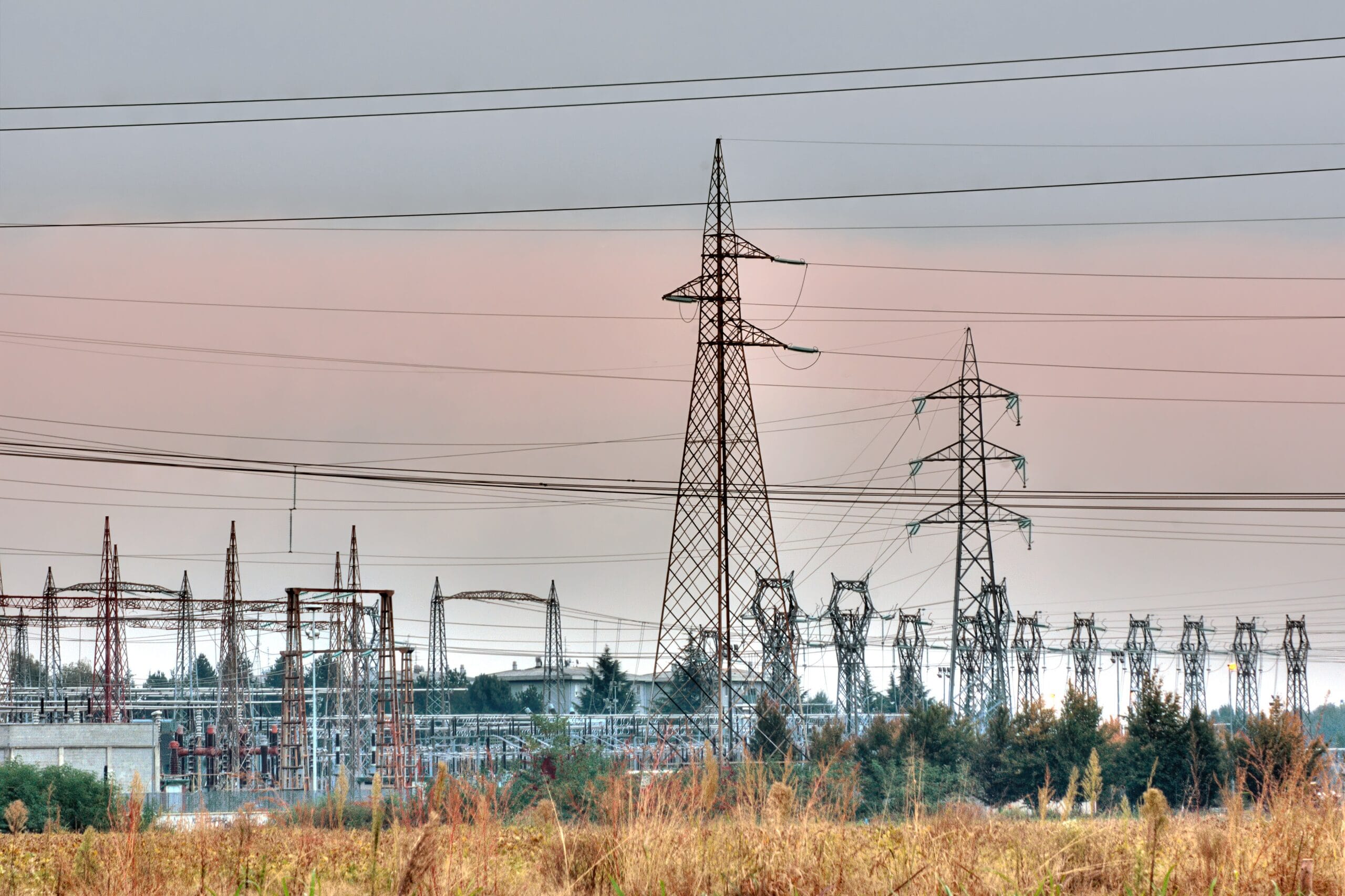
Unexpectedly high electricity statements remain a primary concern among many consumers, especially during periods of sudden rate spikes or elevated household consumption. In many instances, consumers immediately assume that sudden increases in their monthly statements are caused exclusively by overbilling, faulty physical meters, or inaccuracies in arithmetic computation. However, electricity billing is determined by complex structural variables far beyond simple active consumption. A typical monthly statement is heavily influenced by external pass-through elements, including fluctuating generation charges, transmission wheeling costs, global market price spikes, state-mandated taxes, and macroeconomic energy demand across the power grid.
In the context of the Philippines, the governing framework of the electric power industry is defined under Republic Act No. 9136, or the Electric Power Industry Reform Act (EPIRA) of 2001. This landmark law establishes the legal architecture for the unbundling, restructuring, and commercial operations of the country’s modern energy sector. Under this statutory mandate, the independent monitoring and economic regulation of retail electricity rates are strictly managed by the Energy Regulatory Commission (ERC), the government agency legally tasked with overseeing market actors and protecting consumer welfare. Operating within this legislative framework, the Manila Electric Company (Meralco) functions as the largest private electric distribution utility in the Philippines, managing the physical distribution of electricity to millions of industrial, commercial, and residential consumers across its franchise areas.
With growing public anxiety regarding escalating household utility expenses, understanding the underlying mechanism of the local electricity billing system has become critical for everyday consumers. Moving beyond the routine practice of tracking home appliance usage, developing a solid awareness of national utility regulation, pass-through charge mechanics, and statutory consumer rights empowers individuals to comprehend why their utility rates fluctuate. Ultimately, this foundational knowledge equips citizens to evaluate their monthly statements objectively and pursue valid grievances through correct regulatory and legal avenues.
Anatomy of an Electricity Statement: Deconstructing Unbundled Charges
To apply this consumer awareness effectively, one must first recognize that active kilowatt-hour usage constitutes only a single component of the overall billing equation. Contemporary electricity statements feature multiple unbundled charges independent of baseline household consumption. According to the Meralco Unbundled Billing Structure, these components comprise universal charges, generation costs, transmission fees, and distribution revenues, alongside state-mandated taxes, with each segment directly altering the final aggregate amount. Components such as the generation charge fluctuate dynamically on a monthly basis, driven by volatile power plant fuel costs, macroeconomic foreign exchange movements, wholesale spot market supply conditions, and grid-wide energy demand.
Although Meralco is the primary corporate entity visible to the public during the billing process, the distribution utility does not independently determine or retain all charges embedded within a consumer’s invoice. A significant portion of the bill consists of pass-through charges dictated by external variables within the broader energy sector. These external influences encompass international fuel commodity pricing, power plant availability, currency fluctuations, and price volatility within the Wholesale Electricity Spot Market (WESM). Consequently, large segments of the monthly statement rise or fall based entirely on macro-industry variables rather than individual household behavior. In numerous instances, consumers misattribute these market-driven and regulatory cost fluctuations to Meralco, failing to distinguish between the utility’s fixed distribution revenues and external supply costs beyond its corporate control.
Thermal Dynamics and Silent Consumption: The Mechanics of Usage Spikes
Beyond these macro-level market rates, seasonal weather shifts and invisible consumption patterns contribute significantly to sudden, unexpected compounding loops in electricity statements. For instance, during the dry summer season, extreme ambient temperatures and elevated heat index levels naturally force household appliances to work harder and consume more power to maintain cooling. This thermal strain exponentially accelerates the energy demand of appliances such as air conditioners, refrigerators, water heaters, gaming computers, and electric cooking devices. Extended appliance runtime, even when calculated in small daily increments, generates a massive cumulative surge in overall kilowatt-hour consumption over a thirty-day cycle. Furthermore, consumers frequently overlook the “phantom load”—the continuous standby power drawn by electronic devices and chargers that siphon electricity from outlets even when turned off or not actively in use.
Consequently, sudden spikes in a monthly statement do not automatically indicate that unlawful overbilling or corporate malpractice has occurred. In specific scenarios, legitimate billing variations stem from legally permitted estimated meter readings, delayed seasonal adjustments, shifting billing cycle dates, or verified increases in actual thermodynamic appliance consumption combined with market-rate hikes. While valid consumer grievances regarding physical meter errors or calculation discrepancies do occur and warrant formal investigation, a substantial portion of public billing anxiety is rooted in a fundamental misunderstanding of how unbundled electricity charges are mathematically computed, aggregated, and legally regulated under state oversight.
Civic Stewardship: Balancing Consumer Oversight with Analytical Verification
Because these billing fluctuations can be driven by a variety of hidden factors, it is critical that consumers understand their explicit rights and systemic responsibilities, alongside the structural importance of addressing grievances related to electricity billing and utility services. While ratepayers retain the absolute right to contest sudden increases in their monthly statements, it is equally vital for them to systematically monitor their active kilowatt-hour consumption and audit billing details beyond merely focusing on the final financial obligation. Comparing monthly kilowatt-hour (kWh) trends, analyzing specific billing cycle durations, monitoring peak grid demand hours, and evaluating unbundled rate components can help consumers definitively identify whether fluctuations stem from increased household demand, thermal seasonal adjustments, or macro-market rate shifts. Furthermore, consumers significantly benefit from auditing the operational efficiency of household appliances, as aging, degraded, or energy-intensive cooling devices pull substantially more electricity over time. Through structured analytical monitoring, consumers can execute more informed choices regarding household energy management and billing concerns.
Statutory consumer protection principles under Republic Act No. 7394, also known as the Consumer Act of the Philippines, provide citizens with robust legal safeguards concerning public utility services and corporate billing accountability. Under this framework, consumers possess the legally protected right to demand formal clarification regarding mathematical bill computations, dispute verified pricing inaccuracies, and escalate unresolved grievances through proper administrative channels. Within the specialized energy sector, state institutions such as the Department of Energy (DOE) and the Energy Regulatory Commission (ERC) serve as the primary regulatory bodies tasked with implementing national energy policies, maintaining market oversight, and enforcing consumer protection mechanisms across the electric power industry.
Consequently, cultivating a comprehensive understanding of proper regulatory escalation paths and grievance protocols remains an essential tool for consumer empowerment. Legitimate disputes involving inaccurate data capture, suspected hardware meter failures, or service distribution discrepancies must be routed through the formal complaint mechanisms established by distribution utilities and state regulatory agencies. Formally reporting suspected meter irregularities ensures that technical evaluations are conducted objectively and resolved in strict accordance with the ERC’s Magna Carta for Residential Electricity Consumers. In this sense, higher consumer literacy regarding unbundled billing, regulatory frameworks, and statutory utility rights allows individuals to protect their economic interests effectively within the modern energy landscape.
The Imperative of Consumer Literacy in Energy Economics
Ultimately, electricity bills are heavily influenced by a complex matrix of technical, operational, and regulatory factors that extend well beyond actual household consumption alone. While sudden increases in electricity statements understandably raise valid concerns among consumers, these fluctuations do not automatically indicate overbilling, faulty hardware, or improper distribution charges. As outlined by the Meralco Billing Component Framework, factors such as macro-market rate shifts, seasonal thermodynamic consumption patterns, global fuel market conditions, and various state-regulated pass-through charges frequently drive significant variations in monthly billing amounts.
For this reason, consumer awareness remains an indispensable aspect of understanding utility charges and protecting statutory consumer rights. By becoming familiar with the unbundled components of an electricity statement, systematically monitoring baseline consumption patterns, and understanding the oversight role of the Energy Regulatory Commission (ERC) within the broader energy sector, consumers are far better equipped to objectively assess billing concerns. This foundational knowledge allows ratepayers to move past initial “bill shock” and make highly informed decisions regarding their daily energy management.
In the final analysis, understanding the underlying mechanisms of electricity billing not only helps consumers bypass widespread misinformation and common public misconceptions, but it also enables them to manage household utility expenses more effectively. Through greater regulatory literacy and responsible demand-side energy consumption, consumers are positioned to exercise their legal rights confidently. Empowered with this structural awareness, individuals can effectively address legitimate service concerns through proper regulatory channels while making rational, data-driven decisions regarding their utility services.
Need guidance on consumer rights or regulatory compliance? STLAF provides strategic legal counsel to individuals, businesses, and institutions on consumer protection, contractual obligations, regulatory matters, and dispute resolution across a wide range of industries.
Disclaimer: The content of this blog is intended for general informational and educational purposes only and does not constitute legal advice. Laws and regulations may vary by jurisdiction, and the applicability of the information herein may differ depending on specific facts and circumstances. Accessing or reading this content does not create an attorney–client relationship. For legal concerns or tailored guidance, please consult a qualified lawyer licensed in your jurisdiction.
Whether you are based in the Philippines or overseas, STLAF offers legal services to both local and international clients. Our team is equipped to assist with cross-border matters, provide jurisdiction-specific guidance, and help you navigate complex legal challenges with confidence.
To read more STLAF legal tidbits, visit https://stlaf.global/bits-of-law.
For comments, suggestions, and inquiries, email legal@sadsadtamesislaw.com.
Author(s): Juliana Sales